

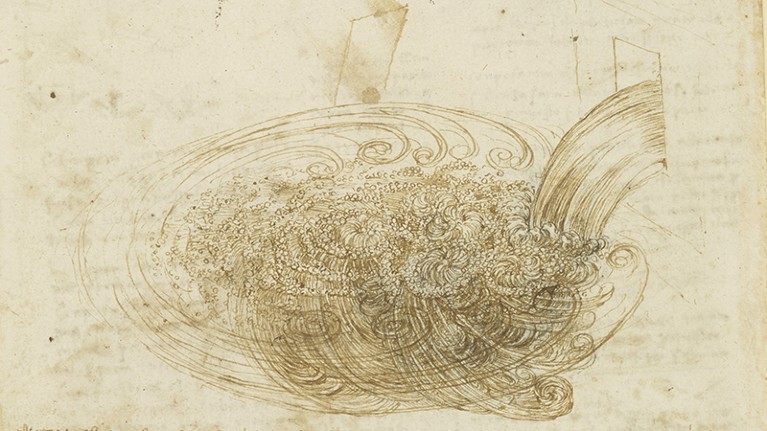
Leonardo Da Vinci was a master of observation. He believed that to understand something truly, you had to see it without distortion. Legend has it that he would spend hours meticulously sketching the way water fell into a pool, not just drawing “a splash,” but capturing the intricate dance of every droplet and ripple. This devotion to pure observation, to separating what was actually there from his interpretation of it, was the bedrock of his genius. In our conversations, especially when giving feedback, adopting a similar discipline is the first step toward mastery.
The Root of Defensive Reactions
When feedback lands poorly, it’s rarely the intention behind it that’s the problem. The issue is often rooted in a single, common habit: we lead with judgments instead of observations. A judgment is a conclusion, an evaluation, or an interpretation. Phrases like, “You were disengaged in the meeting,” or “You let that meeting get completely derailed,” are judgments. While they might feel true to us, they are our personal analysis, not a shared reality. As soon as the other person hears an evaluation of their character or work, their brain is likely to switch into a defensive mode. The conversation is no longer about the behavior; it’s about defending their identity.
Disentangling What Happened from What We Think About It
The alternative is to begin with a pure observation, much like Da Vinci observing the water. An observation is a specific, factual account of what you saw or heard, as if recorded by a camera. It is devoid of interpretation.
- Instead of the judgment, “You were disengaged in the meeting.”
- Try the observation, “I noticed you were looking at your phone and were silent when we discussed the project timeline.”
- Instead of the judgment, “You let that meeting get completely derailed.”
- Try the observation, “We spent 45 minutes of the hour discussing the first agenda item, which meant we didn’t get to the other two.”
Can you feel the difference? An observation is neutral. It’s difficult to argue with because it’s a statement of fact. It creates a common ground from which a productive dialogue can begin, rather than an immediate point of conflict. By starting with what you specifically saw or heard, you invite curiosity instead of defensiveness. You aren’t attacking them; you are describing a moment in time and its impact on you.
Observation as an Act of Care
Choosing to offer an observation over a judgment is not about being robotic or withholding your opinion. It is a conscious act of care. It signals to the other person that you are willing to slow down and explore a shared understanding before jumping to conclusions. This discipline builds immense trust. It shows that you are more committed to dialogue and mutual understanding than you are to simply being “right.” It is the foundation for feedback that connects and contributes, rather than disconnects and criticizes.
Invitation to Practice
This week, your invitation is to simply notice. Before offering feedback or stating an opinion, mentally separate the judgment from the observation. Ask yourself, “What did I actually see or hear?” You don’t even have to change what you say out loud yet. Just practice this internal sorting process and notice what it feels like to distinguish the story you’re telling yourself from the concrete data you have.
About Me & My Work
My name is James De Mulder, and I’m dedicated to helping teams and leaders transform conflict into connection through dialogue. The insights in this newsletter are the starting point. My work with organizations focuses on turning these principles into a shared practice through feedback training workshops. Interested? Simply send me a DM for a no-obligation chat, or find the training brochure here.
Call to Connection
Did this resonate with you? I’d love to hear your experience.
Sources
[1] https://www.nature.com/articles/d41586-019-02144-z
[] For an amazing biography on Da Vinci: Isaacson, W. (2018). Leonardo da Vinci: The Biography. Simon & Schuster.