A few years ago, I watched an episode of Married at First Sight where a husband struggled to communicate with his new wife. Time and again, he would say phrases like, “I just feel like you don’t understand me,” or “I feel like you’re continuously criticizing me.” When his partner met this with frustration, he doubled down, insisting, “I’m just sharing how I feel, and you should just accept that!”
Although many of us are taught that phrases like “I feel like (you)…” help us share our inner state in a way that others should accept, these phrases are often used to introduce judgment or analysis instead of genuine feelings. No wonder they often cause tension rather than understanding.
Genuine Feelings versus Quasi-Feelings
In Nonviolent Communication (NVC), there is a clear distinction between genuine feelings and what are often referred to as “quasi-feelings” or “faux-feelings.” A genuine feeling is a direct emotional experience you can usually name in a single word: sad, joyful, scared, angry, confused, calm — universal experiences that describe what’s happening inside us.
A quasi-feeling, on the other hand, is a thought or interpretation disguised as emotion. When the husband said, “I feel like you don’t understand me,” he wasn’t naming a feeling — he was sharing a judgment about his partner. This is why such statements often lead to conflict or debate. How can she “accept” his “feeling” when it’s really a judgment about her?
Why This Distinction Is Crucial for Connection
Sharing a genuine feeling gives a peek into your inner world. It’s a vulnerable act. If you say, “I feel sad,” there’s nothing to argue with — it’s an undeniable truth about how you are. This kind of openness invites empathy and curiosity. It brings people closer because you’re sharing yourself without blame.
When you say, “I feel unheard,” or “I feel disrespected,” you may not intend to, but you’re subtly blaming the other person or analyzing their behavior. The underlying message is, “You are not hearing me,” or “You are disrespecting me.” Their attention shifts from listening to defending, and it becomes difficult to engage in a dialogue. They might even start arguing over the facts of your analysis (“I wasn’t ignoring you, I was just busy!”), even though that’s not the point of your conversation at all.
Moving from Analysis to Authentic Expression
So how do we shift from these analysis-based thoughts to something more connecting? By taking full responsibility for what we’re feeling.
One of the core insights in NVC is that other people’s actions are the stimulus, but never the cause, of our feelings. Our emotions arise from our own needs being met or unmet. When a universal need—like belonging, consideration, or understanding—is not being met, we may feel disappointed, hurt, or frustrated. When it is met, we may feel a sense of relief or joy.
Taking responsibility for our feelings means linking them to the need that’s alive within us and expressing that connection clearly. From there, we can make a request — a proposal for how that need could be addressed.
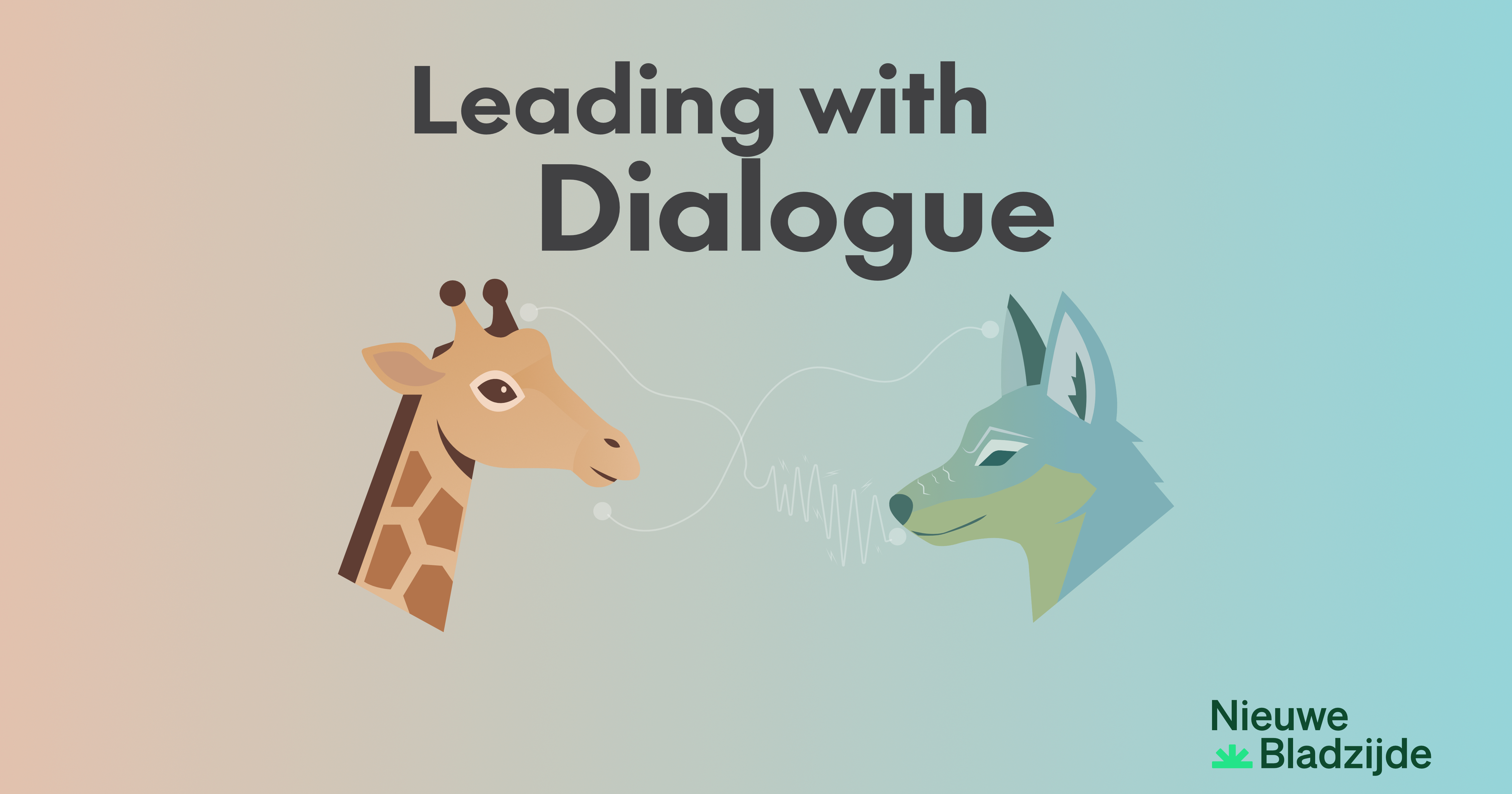
Applying the entirety of the four NVC steps in classical giraffe language, here’s what that might look like in practice:
- Quasi-feeling: “[…] I feel like you’re not taking me seriously.”
- Taking responsibility: “When you laughed while I was explaining how rough my day was (Observation), I’m feeling disappointed (Feeling) because I really want some support right now (Need). Could you give me a couple of minutes to share my day? (Request)
The focus moves from an accusation to a vulnerable invitation for connection.
Invitation to Practice
This week, your invitation is to become a “feeling” detective. Pay attention to conversations around you and in your own speech. Whenever you hear the phrase “I feel like…” or “I feel that (you)…” followed by an analysis or judgment, pause. Silently ask yourself: “What might the genuine feeling be underneath this thought?” Practicing this will expand your emotional vocabulary and grow your listening skills.
About Me & My Work
My name is James De Mulder, and I’m dedicated to helping teams and leaders transform conflict into connection through dialogue. The insights in this newsletter are the starting point. My work with organizations focuses on turning these principles into a shared practice through feedback training workshops. Interested? Simply send me a DM for a no-obligation chat, or find the training brochure here.
Call to Connection
Did this resonate with you? I’d love to hear your experience. Please add a comment and share your thoughts. Similarly, if there are feedback topics you’d like me to cover, please let me know as well.
Sources
- Rosenberg, M. B. (2015). Nonviolent Communication: A Language of Life (3rd ed.). PuddleDancer Press.
- Marshall B. Rosenberg’s San Francisco Workshop: https://www.youtube.com/watch?v=l7TONauJGfc